Reviewed · MALLORCA TOURS
The March Palace Entry Ticket
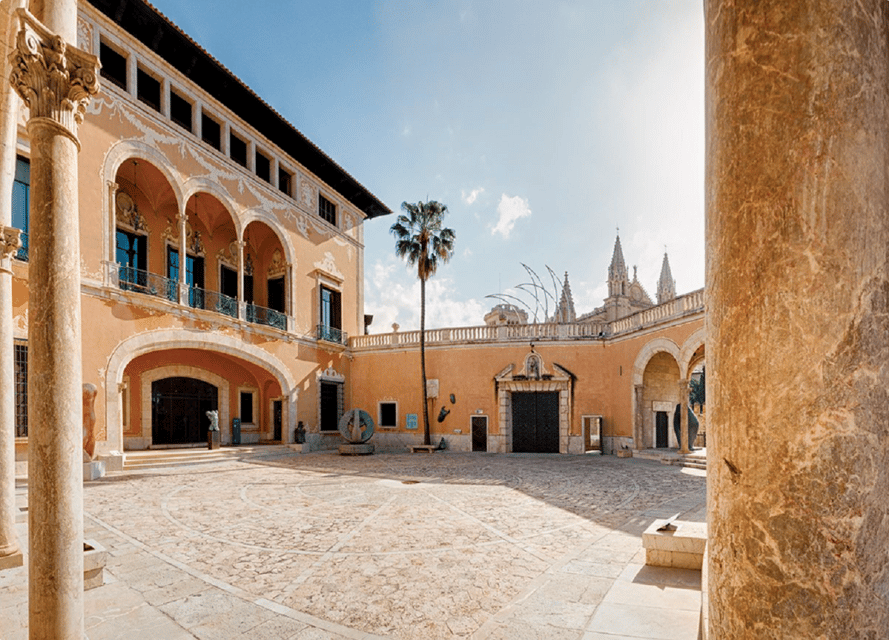
The Palau March Museum brings together an unusual mix of art inside a former family residence built between 1939 and 1945. You can study Josep Sert’s wall paintings, Mallorcan maps, modern sculpture and an elaborate 18th-century Neapolitan nativity scene in one compact stop in central Palma.
I like the contrast between the palace setting and its modern and contemporary sculpture, and the chance to see a substantial collection of Mallorcan cartography in the same visit. One thing to weigh: this is a small museum, and if you move quickly, you may be through in just a few minutes.
What to know before you go
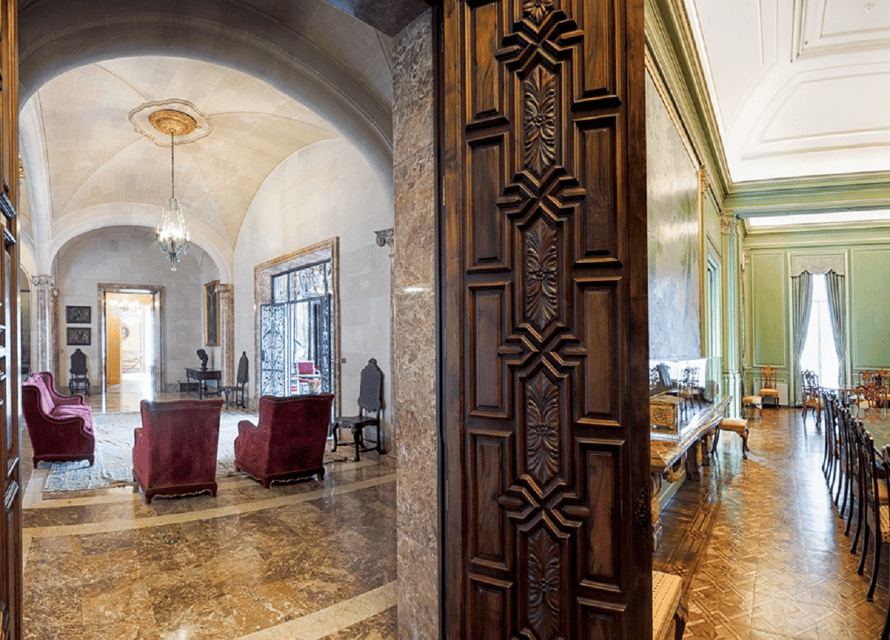
- A former residence: The March family lived here for decades, and the palace was built between 1939 and 1945.
- Look up at the walls: Josep Sert, a noted 20th-century muralist, painted the palace’s walls.
- Maps with a local focus: The museum has one of the world’s best collections of Mallorcan cartography.
- A detailed nativity scene: The 18th-century Neapolitan display offers a glimpse of an older tradition in miniature.
- A short, flexible stop: The ticket is valid for one day, and you can fit the museum into a Palma visit without committing to a full-day tour.
- Quiet spells are possible: In the off-season, you might have the rooms largely to yourself, though the museum’s calm can also make a short visit feel even shorter.
A palace built for a family, now open to art
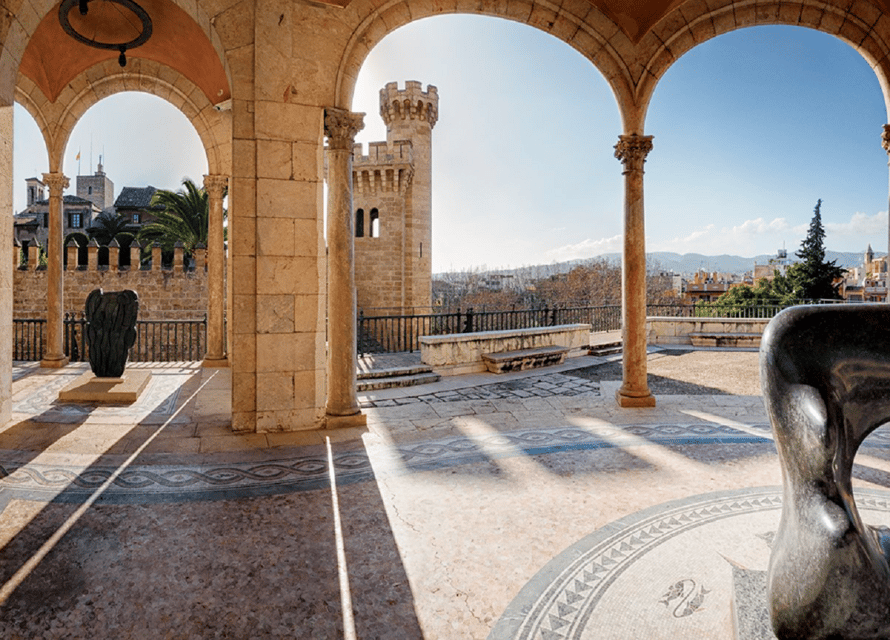
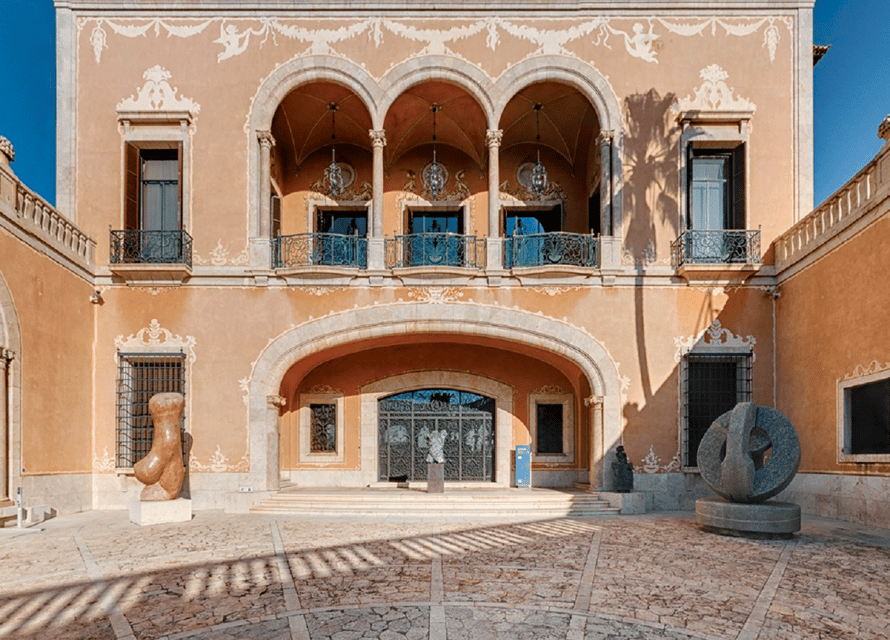
The March Palace, or Palau March, is not a medieval royal residence. It was built from 1939 to 1945 as the home of the March family, who lived here for decades. That relatively recent date gives the building a different feel from Palma’s older historic sites: this is a purpose-built palace from the 20th century, with art and architecture shaped by the leading artists of its time.
The setting is part of the appeal. The museum sits among emblematic buildings in the heart of Palma, making it an easy cultural stop while exploring the city. You do not need to set aside a whole day, and the one-day ticket gives you room to choose a convenient time during opening hours.
I would approach the visit as a focused look at a particular collection and a distinctive building, not as a grand, sprawling museum. That distinction matters. If you are happiest spending hours in galleries, you may find the scale modest. If you want a short dose of art and local history between other Palma sights, the compact format can be an advantage.
More tickets and passes in Mallorca:
- Palma: Cathedral of Mallorca Skip-the-Line Entry Ticket
★ 4.6 · 14,386 reviews - Porto Cristo: Caves of Hams Entry Ticket
★ 4.2 · 6,548 reviews - Mallorca: Palma Aquarium Entry Ticket w/ Optional 3D Cinema
★ 4.5 · 2,280 reviews
The sculptures: modern art in a palace setting
The museum’s modern and contemporary sculpture collection is one of its main draws. Rather than presenting only historical objects, Palau March brings together works that can feel strikingly different from the palace rooms around them. That contrast gives you a reason to look both at the art and at how it occupies the setting.
Take your time with the sculptures instead of treating them as a quick pass-through. Look at their forms and materials, then notice how they change the feel of the rooms. The collection is described as impressive, but the available details do not identify individual artists or specific works, so go in ready to respond to what you see rather than expecting a checklist of famous names.
The museum’s size is worth keeping in mind here. Some people find the visit very brief, while a careful look at the sculpture and the other collections can give you more to consider. If contemporary art is your main interest, this is likely the most satisfying part of the visit. If you are only dropping in for a few minutes, you may not have time to appreciate much beyond the overall impression.
Mallorcan maps: a sense of the island through time
The museum holds one of the world’s best collections of Mallorcan cartography. That gives the visit a strong local thread: maps show how people have represented and understood the island over time, complementing the more visual experience of sculpture and murals.
You do not need to be a map enthusiast to find this section worthwhile. A map is both a practical object and a record of how a place was viewed. Look for the details that catch your eye, and use the collection to think about Palma and Mallorca beyond the streets you see today. The museum’s description promises a journey through the island’s history, though it does not specify individual maps or dates.
If you have been exploring Palma on foot, this collection can give you a different perspective on the island. It also helps distinguish the museum from a visit focused only on decorative rooms or sculpture. The cartography is a particular strength, and worth allowing time for even if you arrived mainly for the palace or nativity scene.
Josep Sert’s murals: remember to look around
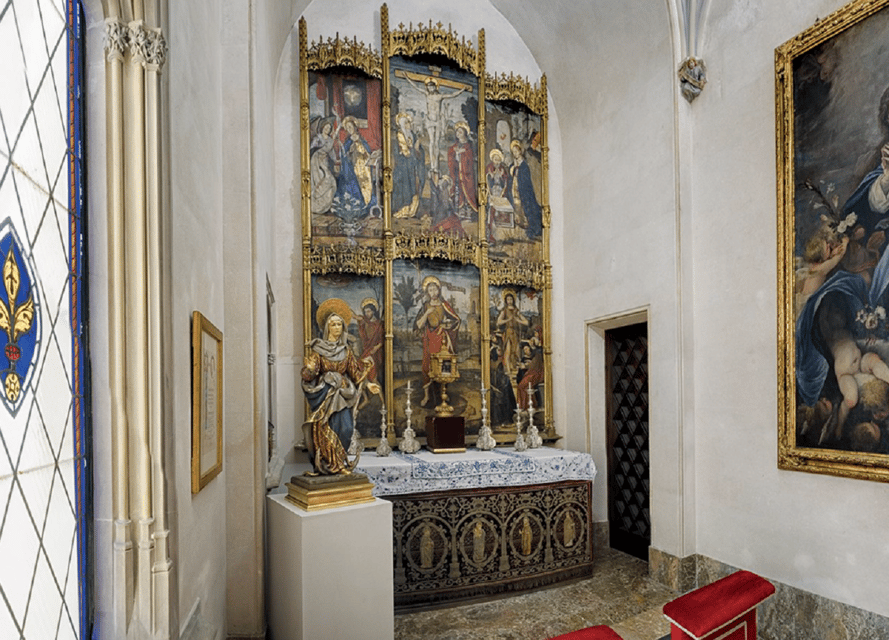
The walls are painted by Josep Sert, one of the 20th century’s most prestigious muralists. That means the building itself is part of the collection. It is easy to focus on objects at eye level, but here the walls deserve attention too.
Sert’s work adds another layer to the visit: the museum is not simply a container for sculpture, maps and historic displays. Its interior decoration helps tell the story of a residence designed with significant artistic involvement. As you move through the rooms, take a moment to look around rather than heading straight from one display to the next.
No specific mural subjects or room-by-room route are provided, so it is best not to arrive expecting a set sequence. Let the rooms reveal themselves at your own pace. The palace setting and painted walls may be especially rewarding if you enjoy architecture and decorative art as much as individual objects.
Same island, a different kind of day:
- Palma de Mallorca: 5-Hour Catamaran Cruise with Lunch & Swim
★ 4.5 · 9,957 reviews - Palma de Mallorca: City Sightseeing Hop-On Hop-Off Bus Tour
★ 4.1 · 4,450 reviews - Mallorca: Island Tour with Boat, Tram & Train from the South
★ 4.4 · 3,888 reviews - Palma: Catamaran Cruise with Swimming and Snorkelling
★ 4.3 · 2,859 reviews
The Neapolitan nativity scene: a miniature world
The 18th-century Neapolitan nativity scene is a highlight with a different character from the modern sculpture. Its age and tradition make it a window into a form of devotional art that rewards close looking. Rather than seeing it as a simple seasonal decoration, consider the care involved in building a detailed scene on a small scale.
This is one of the experience’s most distinctive features. A historic nativity display is not something you encounter in every art museum, and its presence gives Palau March a broader range than a collection devoted to one medium or period. If you are interested in religious art, craft or historic customs, make sure you seek it out during your visit.
The supplied information does not detail the size or exact arrangement of the scene, so you should not expect a particular display layout. Still, the combination of an 18th-century Neapolitan work with local maps and contemporary sculpture makes the museum’s collection unusually varied for a short stop.
How long to allow, and how to plan your visit
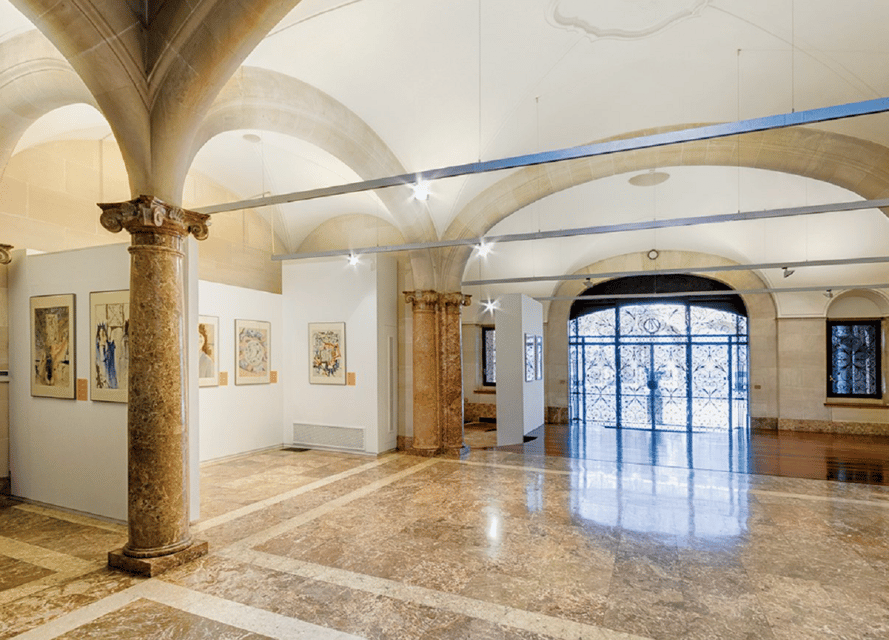
The museum is open from 10:00 a.m. to 5:30 p.m. The ticket is valid for one day, and the visit is an entry experience rather than a guided tour. No guide is named or included in the ticket details, so plan to explore the displays independently.
The museum can be a quick visit. Some people are through in only a few minutes, while another estimate puts a focused visit at about half an hour. If you like to read and look carefully, allow more time than the fastest pace suggests. But you do not need to reserve a large block of your day.
Quiet periods may make the visit especially peaceful. The museum can feel nearly empty at some times, including in the off-season. That is a pleasure if you want room to look without crowds, though a very quiet visit may also make the compact scale more apparent.
Before entering, exchange your voucher at the ticket counter, then show your ticket at the entrance. Hotel transport, food and drinks are not included, so arrange your own way to the museum and plan any refreshments separately. The booking terms offer free cancellation up to 24 hours ahead and a reserve-now, pay-later option, which can help if your Palma schedule is still shifting.
Is $11 good value?
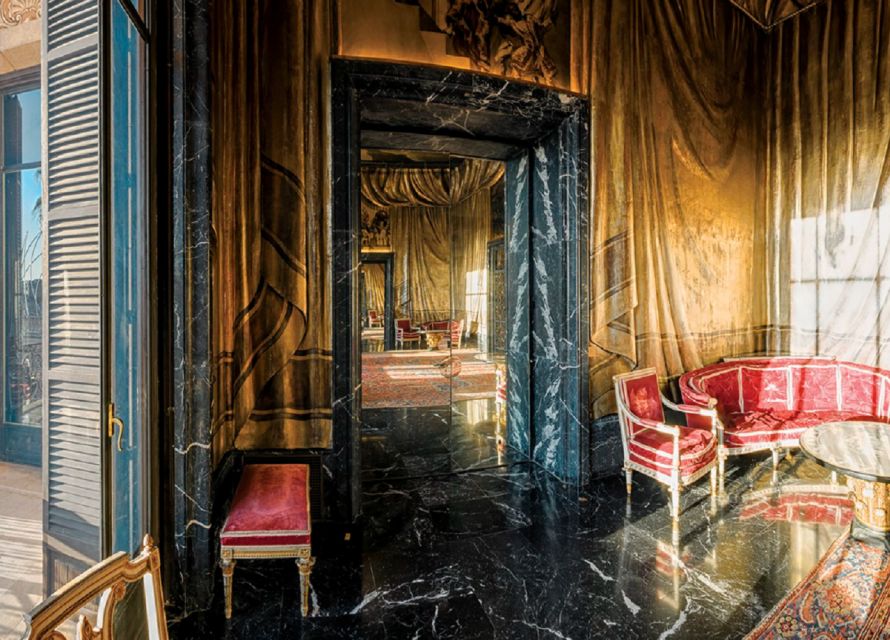
At $11 per person, this ticket is best judged as a modestly priced cultural stop, not an all-day attraction. You get access to a historic family residence, Sert’s murals, sculpture, a notable map collection and the Neapolitan nativity scene. That is a varied set of things to see for one admission, especially if you already plan to be in central Palma.
Value depends on your pace and interests. If you like to linger over art, maps and architecture, the ticket can feel worthwhile even in a compact museum. If you expect a long route through many rooms or a guided explanation, the experience may not match that expectation. There is no guided tour or meal in the included ticket.
The strongest reasons to go are the combination of collections and the palace itself. The main caution is duration: do not build your day around a lengthy museum visit. Instead, use Palau March as a concentrated cultural pause, and give yourself enough time to notice the murals and maps rather than rushing straight to the sculpture.
Who should book the Palau March Museum?
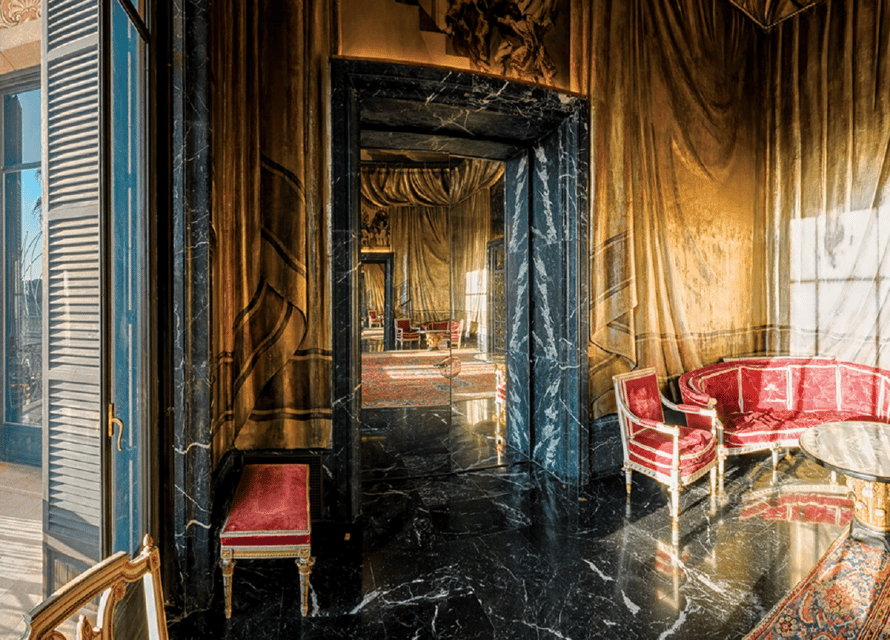
I would recommend this ticket if you are curious about Mallorca’s maps, enjoy modern sculpture, or want to see a distinctive historic interior in Palma. The 18th-century nativity scene and Sert murals make the visit more varied than a quick look at a single collection. It also suits anyone who prefers a quiet, self-paced museum stop over a scheduled tour.
You may want to skip it if you are looking for a large museum that will fill several hours, or if your Palma schedule is already packed and the collections do not match your interests. For $11, it is a sensible add-on when you are nearby and have time for a focused visit. Go in expecting a compact experience, not a full-day outing, and you are more likely to find it a good use of your time.
FAQ
Where is the Palau March Museum?
It is in the heart of Palma, in Spain’s Balearic Islands.
What are the museum’s opening hours?
The museum is open from 10:00 a.m. to 5:30 p.m.
How long is the ticket valid?
The ticket is valid for one day.
What does the ticket include?
It includes entry to the Palau March Museum.
Are hotel pickup, food or drinks included?
No. Hotel pickup and drop-off, food and drinks are not included.
Do I need to exchange my voucher before entering?
Yes. Exchange your voucher at the ticket counter before the visit, and show your ticket at the entrance.
Newest tours in Mallorca
- Visit to the Coloms water cave★ 4.9 · 10 reviews
- VISIT BODEGAS BORDOY ,DEGUSTACION 5 WINES, FINGER FOOD★ 5.0 · 3 reviews
- Palma: Private Guided Segway Tour★ 4.9 · 15 reviews
- Mallorca Shore Excursion Bellver Castle and Cathedral Private Tour★ 5.0 · 4 reviews
- Travel and play tennis in Mallorca★ 5.0 · 5 reviews
- V8 Trike Tour mit Fahrer/Guide für max 4Gäste★ 5.0 · 40 reviews
- Tour Beach Portal Vells, Cave Portal Vells.★ 5.0 · 7 reviews
- Tramuntana Panorama Tour – Soller, Deiá, Valldemossa★ 4.9 · 34 reviews
Mallorca Tours, compared.
Cathedral of Mallorca Skip-the-Line Entry Ticket
Read our review →
Island Tour with Boat, Tram & Train from the South
Read our review →
Catamaran Cruise with Swimming and Snorkelling
Read our review →
Caves of Drach Day Trip & Optional Caves of Hams
Read our review →